Alcohol tests measure your blood/breath alcohol concentration (BAC) levels. Your BAC shows the amount of alcohol in your bloodstream or breath, shown by how much ethanol (in grams) is in 100 millilitres of blood or 210 litres of breath. That’s why many of us wonder if a month of avoiding drinking is enough to “reset” your liver back to normal. But a full detox is needed for the most benefit, and how much time that takes depends on a variety of personal factors. EtG tests are considered the gold standard of alcohol tests because they are much more accurate than other tests.
Medications that can affect alcohol metabolism
If your liver has taken a hit from prolonged alcohol use, there are ways to give it — and the rest of your body — a break. Breath tests are fast and typically easy when the right equipment, such as a Breathalyzer, is on hand. Carbonated beverages, such as champagne or a whiskey mixed with soda, are absorbed faster. One beer was detectable 16 hours later.Six shots of vodka taken in 3 hours was detectable 54 hours later. Drinking isn’t a guessing game—there are science-backed methods to understand how intoxicated you are based on your body type.

Your health
Alcohol can be detected in your breath via a breathalyzer test for up to 24 hours. In small amounts, you might feel more relaxed and open or less anxious, but the more you drink, the more intoxicated you’ll begin to feel. For some, this can mean being more talkative or very friendly, and others may begin to behave with anger or aggression.
When Are Mouth Swab Drug Tests Used?
- But the amount of enzymes in the liver can also differ, depending on the health of your liver and if you drink regularly.
- A phosphatidylethanol (PEth) blood test — a newer but highly sensitive way to test for alcohol use — measures PEth, which is formed when your body processes ethanol.
- Alcohol can be detected from 12 to 24 hours in the breath, as well as in saliva.
- Also, your liver will struggle to turn toxic acetaldehyde into harmless acetate.
- If it’s so critical that you don’t drink that you would make a specific effort to alter a test that showed you did, then you might be dealing with an addiction.
A carbohydrate-deficient transferrin (CDT) test can detect heavy alcohol use. Although urine tests are a relatively inexpensive and noninvasive way to test for alcohol, they may be inaccurate in some cases. While cirrhosis scars from excessive drinking are irreversible, quitting alcohol and leading a healthier lifestyle can help your liver heal from alcohol-related liver disease.
As your liver keeps working at the 1-ounce-per-hour rate, all that extra alcohol will have nothing better to do but circulate through your body and wait to be processed. As it floats around, having its way with your brain and the rest of your tissues, your blood alcohol content stays elevated. The liver breaks down 92 to 98% of an alcoholic drink as it moves through the digestive system, filtering out https://ecosoberhouse.com/ toxins through the kidneys. That leaves roughly 2 to 8% of alcohol that’s eliminated through other means, such as sweat, breath and urine. This process of eliminating alcohol from your body can take many hours (though the absorption may be slightly slower when you have food in your stomach). This means if you have a few drinks in the evening, the alcohol could still be in your blood the next day.
- The reality is that alcohol sticks around much longer than many people expect, and just a little bit left in your bloodstream is enough to trigger a positive on an alcohol test.
- The liver is more able to process the next drink the longer it has been since the previous one.
- One phase is the acute form of alcohol poisoning caused mainly by binge drinking.
How Do You Know When You’re Drunk?
If you’ve had a drink or two, you might be wondering just how long that alcohol will stay in your system. If you work in an industry related to transportation, national safety, or public safety, you may be required by law to undergo regular drug testing. The following are the average windows for when drugs are detectable in oral fluid. Just like a broken bone or infection needs time to heal, so does an overworked liver. While this depends on the amount of alcohol you have had over the years, your liver can see partial healing within two to three weeks, but this will depend on your health history. “For patients who are left with cirrhosis after severe injury to the liver from alcohol, even one drink of alcohol is toxic to the liver,” cautions Dr. Lindenmeyer.

The acetaldehyde is broken down into acetic acid and then further broken down into carbon dioxide and water. Most of the alcohol you consume is metabolized in the liver, but about 5% of the how long does alcohol stay in your system alcohol you drink is excreted by the body through sweat, breath, urine, feces, and saliva. In urine, alcohol can be detected from 12 to 130 hours if a person has been drinking excessively.
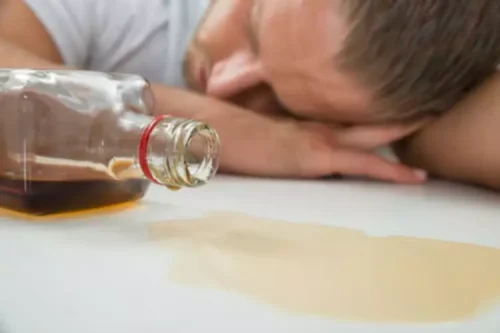
How long does alcohol stay in your system? Urine, breath, blood test times explained.
Heavy drinkers can also experience more severe health consequences due to heavy drinking habits. Alcohol misuse and addiction can influence how long it takes to process alcohol in your system. People with an alcohol problem may have it in their system for a longer time if they’re tested. A BAC of .08% is equivalent to four drinks consumed by a 160-pound person in one hour. In terms of weight, a 160-pound man can stay in a safe BAC range by having up to 1 to 3 drinks. A breath test uses breathalyzer devices to measure a person’s BAC from their breath.
- The remaining alcohol is excreted through sweat, urine, vomit, and feces.
- For some, this can mean being more talkative or very friendly, and others may begin to behave with anger or aggression.
- The more you drink, the more enzymes you are likely to produce, and thus you will metabolize alcohol faster.
- A mouth swab drug test screens for substances in your system, such as illicit drugs, prescription medications, alcohol, or marijuana.
- Currently, there is a test that can detect alcohol use up to 80 hours, or 3 to 4 days, after the last drink a person had.